
Accepting Crypto Payments: How to Convert USDC to EUR via SEPA
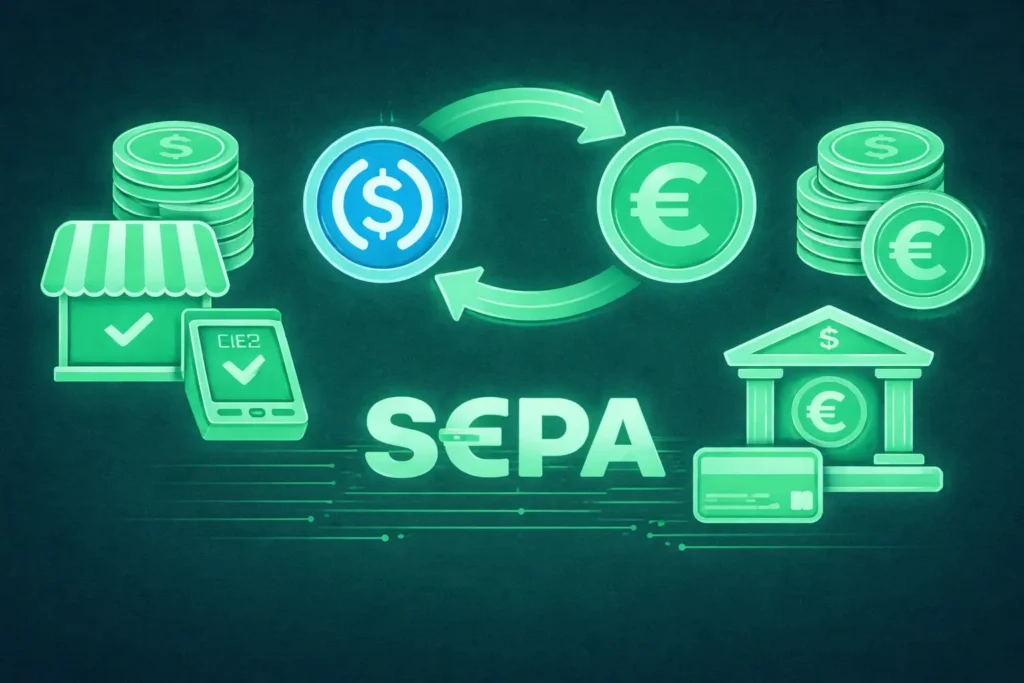
Stablecoins like USDC are increasingly used for B2B payments, treasury management, and global settlements. For businesses accepting crypto, the key operational question is simple: How do you convert USDC to EUR efficiently and transfer funds via SEPA? This guide explains how the crypto-to-euro off-ramp works, what infrastructure is required, and how businesses can reduce friction when […]
Dedicated IBAN vs Pooled IBAN: Scaling Businesses Must – Know
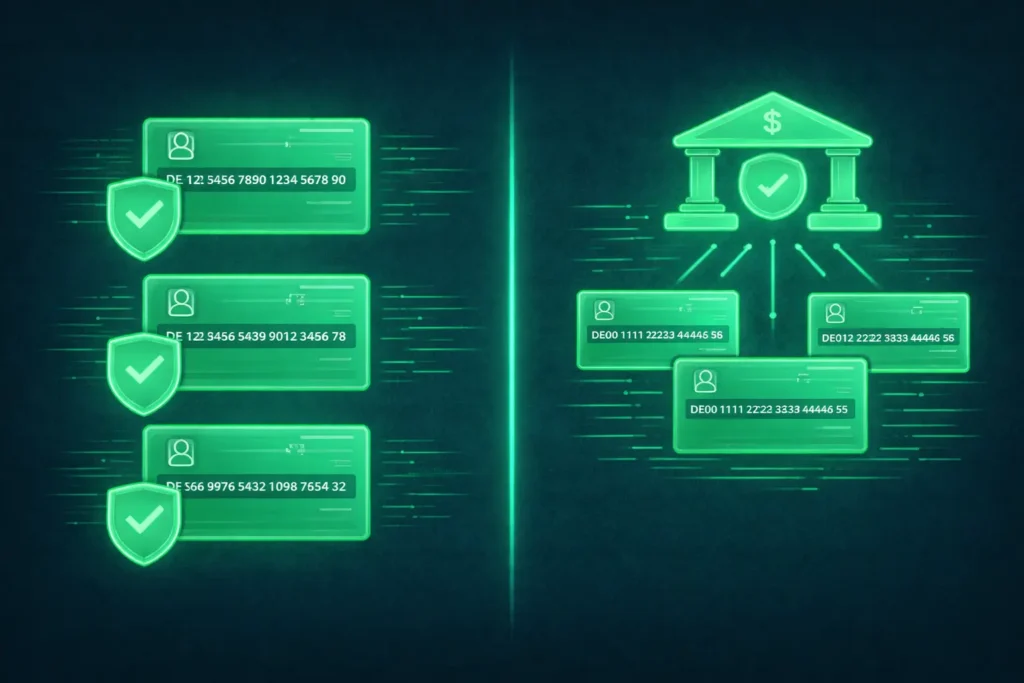
For European businesses handling high payment volumes, cross-border flows, or crypto-related transactions, the choice between a dedicated IBAN and a pooled IBAN is not a technical detail—it is a risk decision. Many account freezes, payment delays, and compliance escalations stem from one issue: lack of direct account ownership. This article explains the difference clearly, from […]
Checklist: Choosing a Crypto-Friendly SEPA Business Account
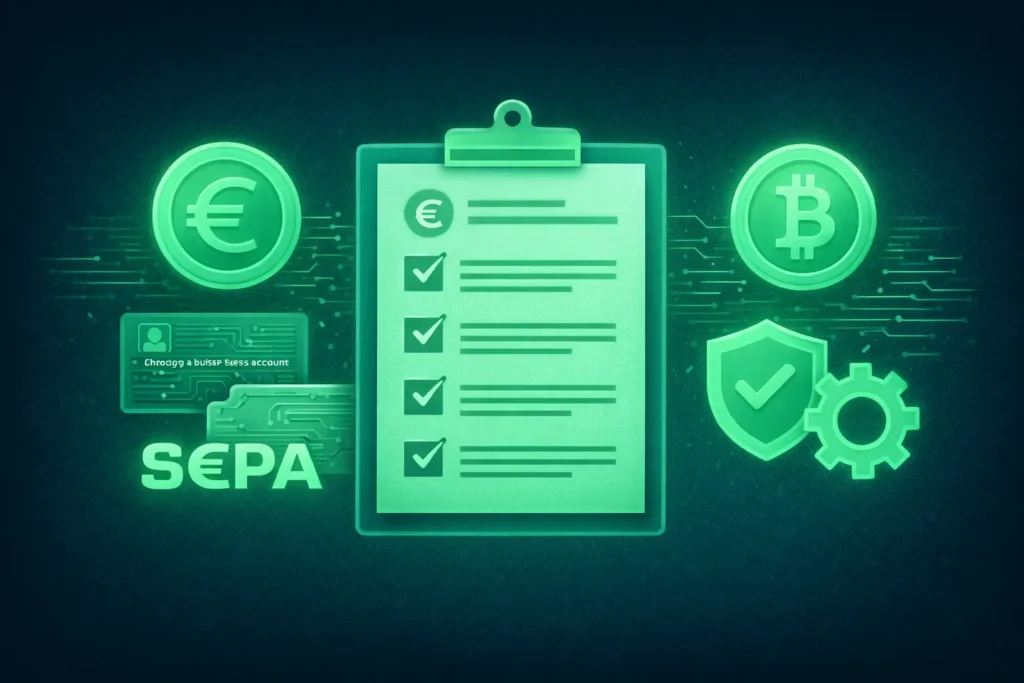
Businesses operating with digital assets no longer look for bank tolerance. They look for infrastructure that works daily, at scale, without interruptions. A crypto-friendly SEPA business account should support both euro payments and crypto operations under one compliant framework. This checklist helps finance teams, founders, and operations leaders evaluate providers beyond marketing claims—focusing on real-world […]
How to Avoid Business Account Closures Without Losing Access to Your Money

If your business account has ever been frozen, restricted, or closed after a so-called “routine security check”, you’ve already encountered de-risking. No fraud accusation.No clear explanation.No appeal process. Just a sudden loss of access to your own money. This situation is becoming increasingly common for businesses operating online, handling cross-border payments, or interacting with crypto […]
Banks That Do Not Accept Crypto Businesses (And the Alternative)
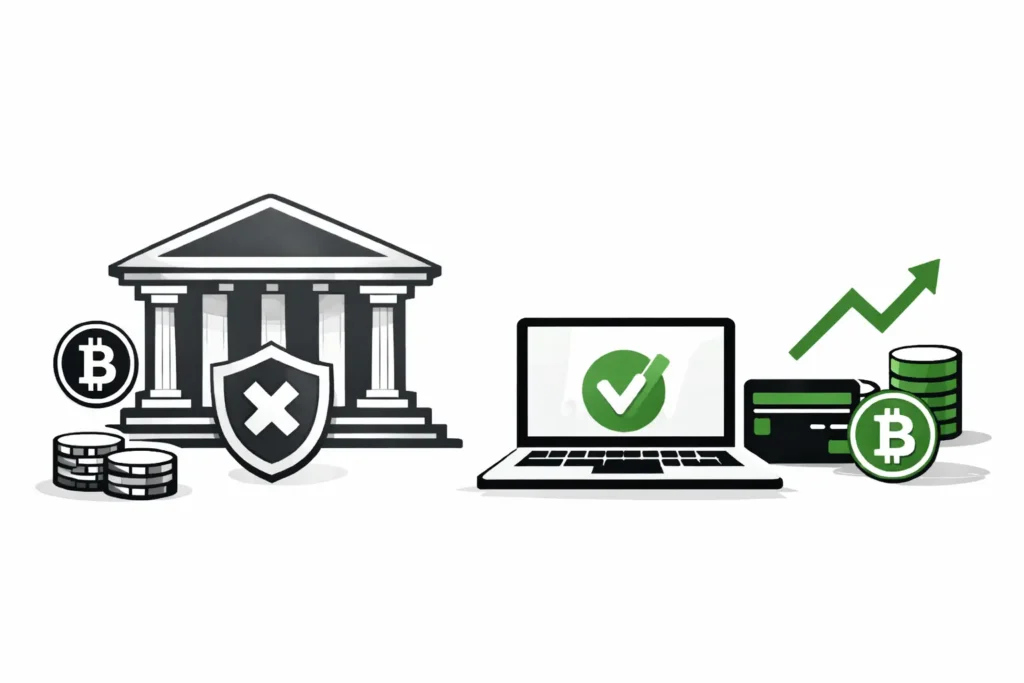
Across many markets, crypto, Web3, trading, and digital asset companies continue to face a common obstacle: traditional banks that refuse to open or maintain accounts for crypto-related businesses. This happens even when companies are licensed, fully KYC/KYB-compliant, and operating transparently. For founders and finance teams, the issue is no longer theoretical. It directly affects payroll, […]
Crypto-Friendly Business Payments: How to Move From On-Chain to SEPA

Digital businesses are increasingly accepting and holding crypto to support modern payment flows. What remains complex is not crypto itself, but converting on-chain value into usable euros without delays, account freezes, or compliance roadblocks. This is where crypto-friendly business payments have become a critical operational layer. For Web3 platforms, trading firms, marketplaces, and international digital […]
How to Convert Stablecoins (USDC/USDT) to Euros for Business Treasury Management
Stablecoins like USDC and USDT have become essential tools for international businesses. They combine the benefits of blockchain—speed, transparency, and low fees—with the price stability of traditional currencies. However, most European companies still struggle with one critical step: converting crypto assets into euros efficiently, compliantly, and without exchange risk. This guide explains how businesses can […]
DAC8 en France : obligations fiscales crypto dès 2026
La France fait partie des principaux marchés crypto et fintech de l’Union européenne, avec un nombre croissant de prestataires proposant des services liés aux crypto-actifs : plateformes d’échange, solutions de paiement, services de conservation, Web3 et fintechs hybrides. Dans ce contexte, l’entrée en vigueur de DAC8 marque un tournant important. Cette directive européenne vise à […]
Einleitung: Warum DAC8 für Deutschland besonders relevant ist
Deutschland gehört zu den Ländern mit der höchsten Anzahl von Blockchain- und Krypto-Unternehmen in der Europäischen Union. Gleichzeitig ist der deutsche Regulierungsansatz traditionell detailliert, formalisiert und stark durchsetzungsorientiert. Vor diesem Hintergrund hat die Einführung von DAC8 für in Deutschland tätige Krypto-Unternehmen eine besondere Bedeutung. DAC8 ist keine isolierte nationale Maßnahme, sondern Teil der EU-weiten Weiterentwicklung […]
EU DAC8 Crypto Rules: A Complete Guide for Businesses and Individuals
Crypto regulation in Europe is entering a new phase. After years of fragmented rules, voluntary disclosures, and uneven enforcement, the European Union is now applying full tax transparency standards to crypto-assets. At the centre of this shift is DAC8, the eighth revision of the EU Directive on Administrative Cooperation in taxation. While it has received […]